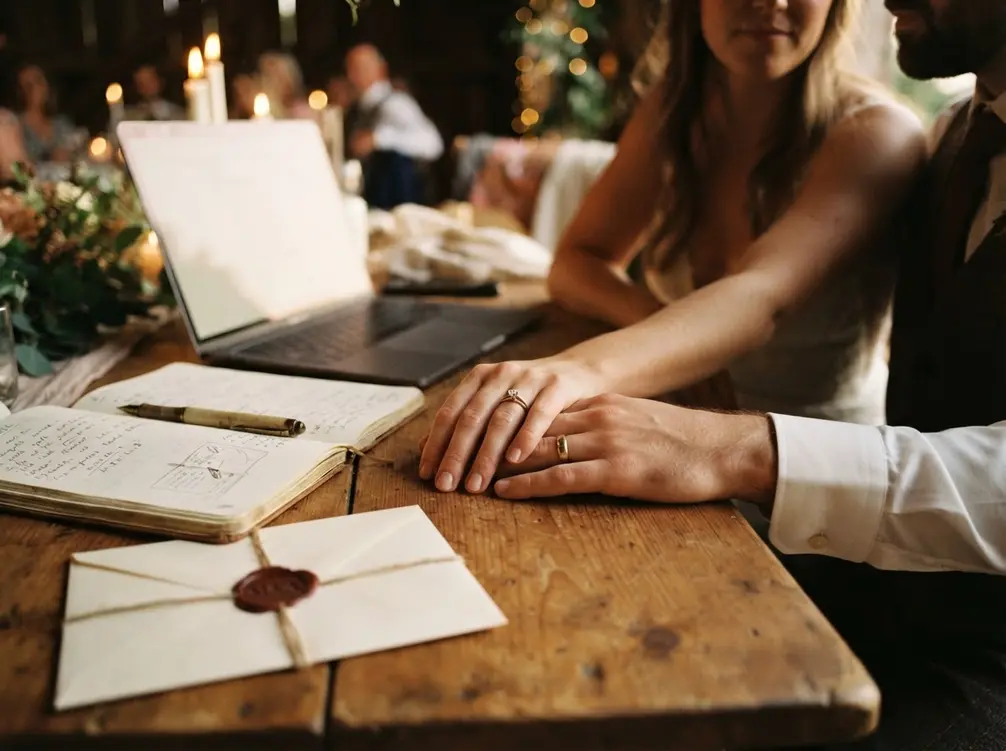
Your dress is back in its garment bag, thank-you cards still shrink-wrapped in the box, apartment dead quiet by 9am. Everyone told you the glow would carry you for weeks; what happens after the wedding is usually just… quiet.
We know because we lived it. Our wedding day ended and we were back in the extended-stay place we’d been renting for six weeks, dress zipped up and hanging off the shower-curtain rod because there was no closet, and a vendor invoice sitting in the inbox that had landed at 6am our time, midnight theirs. We’d planned the whole thing from two suitcases, working calls in one time zone and vendor emails in another, and somehow the logistics didn’t stop just because the ceremony was over. But the bigger surprise wasn’t the invoice. It was how strange the silence felt the next morning, like something was supposed to keep happening and didn’t. Therefore we started asking: is that normal, or is it just us?
- That flat, deflated feeling after the wedding isn’t a warning sign about your marriage — it’s just what happens when the thing that ran your calendar for a year suddenly doesn’t. Give yourself the week.
- Start your Social Security name-change paperwork early if you’re changing your name — it’s the first domino, and everything else (license, passport, bank accounts) waits on it.
- Photograph every rented item and vendor delivery before it gets packed up and driven away. It’s the only leverage you’ll have if a deposit dispute surfaces three weeks later.
What is “post-wedding blues,” and how common is it?
Post-wedding blues is the letdown, sadness, or emptiness some couples feel once the wedding is over, and it’s more common than the wedding industry likes to advertise. A 2025 report found that roughly 40% of recently married couples experienced some form of it, and a broader review of the research pegs the range between 12% and 50%, depending on how the study defines “blues” (Queensmith/County Wedding, 2025; Pix.wedding).
The symptoms described across the research are consistent: sadness, a sense of letdown, emptiness, deflation. Some people feel weepy for no obvious reason. Others just feel flat, like the volume got turned down on their own life. That’s what happens after the wedding for a lot of people, and none of it means the marriage is wrong.
The time spent putting in the work leading up to the wedding day can feel anticlimactic after it’s over.
Hilary (Weinstein) Hovis, LCSW, Founder, HLW Therapy
There’s also a terminology split worth knowing about what happens after the wedding. “Post-wedding blues” gets used for the milder, short-lived version. “Postnuptial depression” shows up in older coverage for something heavier and more persistent. They’re not always the same thing, and conflating them can make a normal rough week feel like a crisis it isn’t.
For more background on the clinical side, the Psychology Today piece on new-bride depression is worth a read if you want the older research context behind these numbers about what happens after the wedding.
How long does it typically last, and when should you consider professional help?
Most cases resolve within a month — that’s broadly consistent with what happens after the wedding. In the 2025 Queensmith data, almost half of respondents said their symptoms lasted less than a month, and only about 5% said the feeling stuck around longer than six months (Queensmith Journal).
Broken down further, the same follow-up found 18.6% lasted 1-2 weeks, 16% lasted about a month, 12.7% lasted under a week, 8.9% went slightly over a month, 2.8% hit six months, and 2.3% carried into a year or more. The short end of that spectrum is where most people land. That’s the whole point: what happens after the wedding, emotionally, tends to fade faster than people expect while they’re in the middle of it.
Bestie aside: if you’re three days out from the wedding, still in your pajamas at 2pm, and vaguely resentful that nobody warned you this part could feel deflating instead of magical. That tracks. It doesn’t mean you married the wrong person. It’s a common form of what happens after the wedding. It means the adrenaline left the building.
There’s an older clinical thread worth taking seriously, too. A historical study by Stafford and Scott found that over half of new brides interviewed felt sad, depressed, or let down after the wedding, and 12% had what researchers considered meaningful or clinical depression six months later (Psychology Today). That’s a minority, but it’s not nothing when you consider what happens after the wedding.
The practical version: track how you’re feeling for a few weeks rather than judging day one. It’s a normal part of what happens after the wedding. If it’s interfering with work, sleep, or your relationship, or if it’s still there past the one-month mark and getting heavier instead of lighter, that’s the point to talk to someone rather than wait it out.
What kinds of identity shifts happen after marriage?
The research doesn’t hand us a clean percentage on this one, and we’re not going to pretend it does. What the evidence set does support is the emotional profile around it — sadness, letdown, emptiness. And editorial coverage that connects those feelings to bigger role and identity changes, without quantifying exactly how common the identity shift itself is.
In plain terms: you spent a year, or five, being “the couple planning a wedding.” That was an identity, a project, a shared thing to talk about at dinner. Then it’s just… done. Your social routines merge in ways nobody warns you about. Suddenly you’re each other’s plus-one at everything, permanently. Priorities shift. Some people report feeling unmoored simply because the thing that organized their calendar for months is gone. That’s what happens after the wedding for a lot of people.
That gap between the wedding-planning identity and the married identity is a big part of why the letdown hits at all. You’re not sad the wedding’s over. You’re adjusting to a version of life that doesn’t have a countdown in it anymore. We’ll flag honestly: there’s no demographic breakdown in the current research (age, gender, how long you’d been together) that tells us who feels this hardest. That’s a real gap, not a dodge.
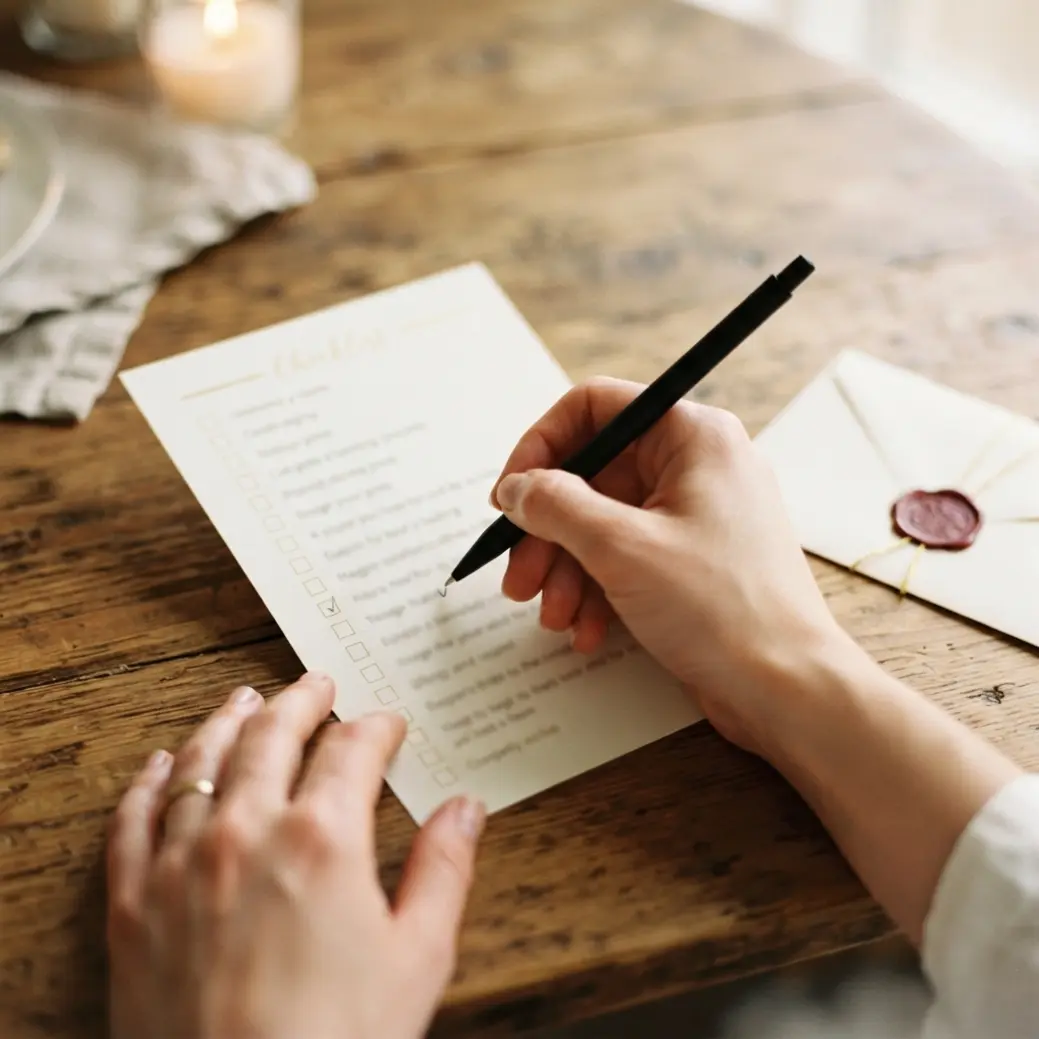
What happens after the wedding, admin-wise? The short version
The practical sequence matters more than any single task: certified marriage certificate copies first, since almost everything below needs one and a photocopy gets rejected outright, then Social Security name-change paperwork, then your license, passport, and bank accounts, in that order. Confirm final vendor invoices in writing, start thank-you notes while gift details are fresh, and get the dress into preservation before it sits in a closet for a decade.
We go through the exact order, real dollar figures, and the tax traps that come with getting that sequence wrong in our newlywed guide to the six weeks after the wedding — this post is about the feeling of that stretch, that one is about the paperwork of it. What we can tell you here: a Social Security name change typically takes about two weeks once submitted, though appointment wait times can run 30 days or more in some areas.
The Catch: once you change your name with Social Security, your passport in your maiden name becomes invalid immediately, so if you’re traveling under your married name for a honeymoon booked before the wedding, sort out the sequencing before you file the paperwork.
For the vendor-invoice side of this, our what to check before signing off on final payment covers what to check before you sign off on any final payment as part of what happens after the wedding.
How long do photographers, videos, albums, and invoices really take?
When we first wrote this, the research set behind it didn’t include verified vendor-delivery benchmarks, so we said as much rather than guess. Since then we’ve dug up real numbers on this in our newlywed guide: dress preservation typically runs $250-$700 over 4-10 weeks, bouquet preservation $130-$310, and highlight reels are commonly quoted around three weeks (vendor-marketing figures, not an industry-wide audit, and it shows in how often couples report the window slipping anyway).
Expectation mismatch is its own kind of post-wedding stress, layered right on top of whatever emotional letdown is already happening. Get delivery windows written into your contract, not promised verbally at your final walkthrough. Our wedding venue contract guide covers what to check in writing before the wedding, not just after.
What costs and legal timelines did our research find, and what did it not find?
Some of this we’ve since sourced properly, some we still haven’t.
| Cost item requested | What our research found |
|---|---|
| Dress preservation / dry cleaning | $250-$700, 4-10 weeks (see our newlywed guide) |
| Name-change filing fees | SSA free; DMV $15-$35; passport ~$110-$165 (full breakdown in the newlywed guide) |
| Album production | Not verified in 2025-2026 sources |
| Rental returns / storage | Not verified in 2025-2026 sources |
| Therapists / financial planners | Not verified in 2025-2026 sources |
We’d rather show you the empty cells than fill them with a number we can’t back up. If you’re already feeling the cost hangover from the wedding itself, our average wedding cost breakdown at least covers what you spent getting here, even if the after-costs are still being tracked down. What we do know, from official government process descriptions, is that a full legal name change across every document — Social Security, license, passport, bank. Realistically takes 2-3 months of running around, not the single afternoon the movies imply.
What do couples actually complain about after the reception?
We wanted to give you real forum quotes here — the “our DJ ghosted us on the flash drive,” the “my mother-in-law is still mad about the seating chart” threads. The research set we pulled did not include verified 2025-2026 forum or review data, so instead of inventing quotes that sound plausible, we’re telling you plainly: that’s a gap.
What the evidence set does support is the emotional side. The letdown, the emptiness. Rather than the concrete logistics fights people actually have once the caterer’s van pulls away. The pain points couples commonly mention (vendor disputes, lost gifts, unanswered thank-you notes, in-law tension that outlasted the reception) are things we hear constantly, but we won’t dress up anecdote as data in a piece built on being straight with you.
His Take: photograph everything before vendors pack up and leave. The rented arch, the returned linens, the borrowed cake stand. It takes ninety seconds and it’s the only leverage you have if a deposit dispute shows up three weeks later. It’s one small practical move that can simplify what happens after the wedding.
Our plan going forward is to pull real, attributed threads from wedding-planning communities the right way, with permission and proper sourcing, rather than paraphrase somebody’s Reddit vent as if we interviewed them ourselves.
Where this leaves you
Here’s the honest summary: the feelings are real and common, roughly 40% of newlyweds get some version of the blues and most of it clears up inside a month. The admin, cost, and vendor-timeline questions are murkier than most wedding sites will admit, and we’d rather tell you that than hand you a made-up number that falls apart the first time your photographer’s timeline doesn’t match it.
What happens after the wedding is part feeling, part paperwork, and right now the feeling part has better data behind it than the paperwork part does. We’re working on closing that gap.
If you want the early list of what trips couples up in that first year, our newlywed mistakes guide covers it.
The bottom line
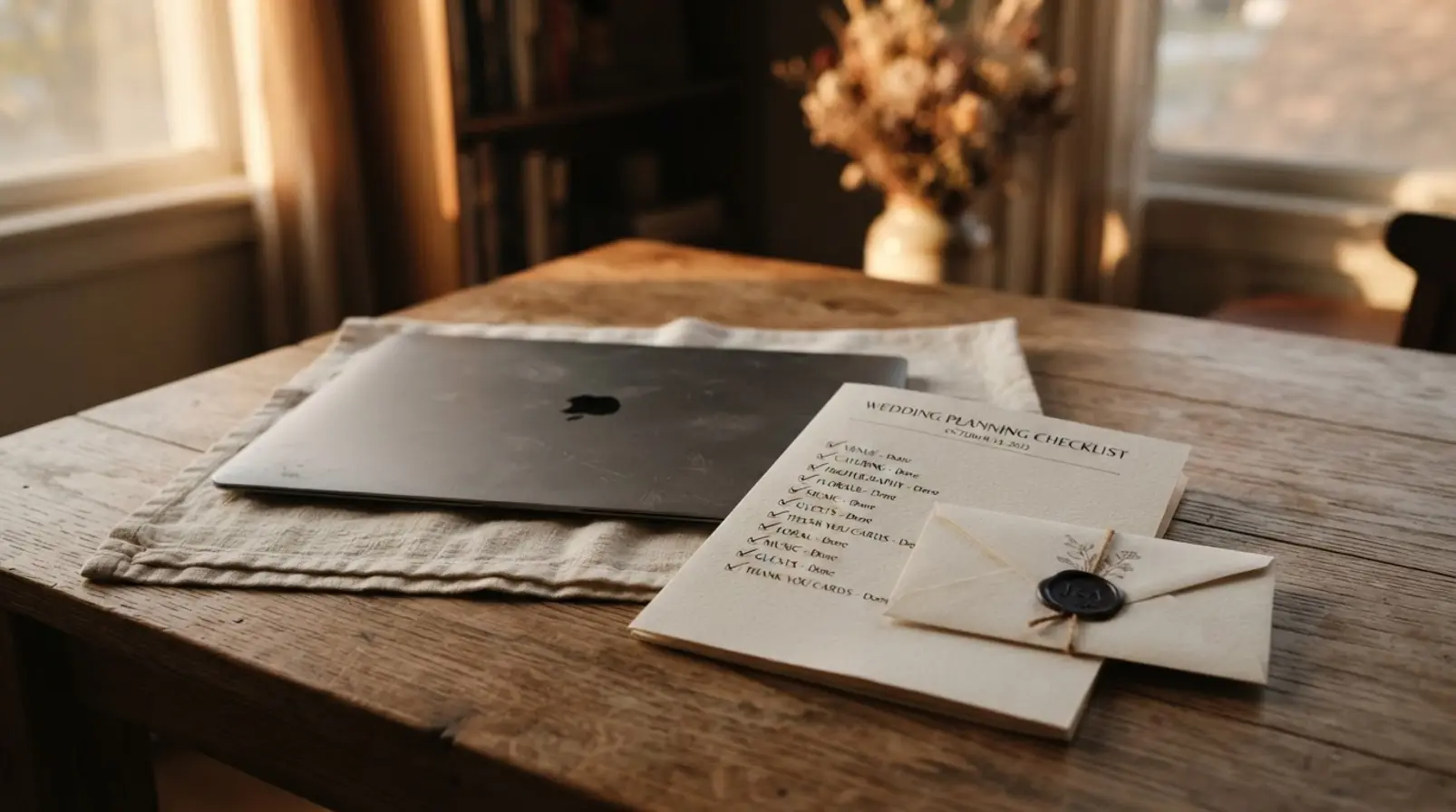
The quiet after the wedding isn’t a warning sign. It’s just what happens after the wedding when the thing that organized your whole calendar for a year suddenly isn’t there anymore, and nobody sends you a card for that part. You’re allowed to feel flat for a week. You’re also allowed to still be annoyed about an invoice.
You don’t need our app for this chapter, you already used it, or you didn’t, and either way the wedding’s done. But if you know someone still deep in the guest-list spreadsheets and vendor emails, still months out from feeling any of this, send them our free wedding planner instead to help with what happens after the wedding. Let them borrow the organization now, so their after looks a little less like ours did, dress on a shower rod, invoice in the inbox at 6am, figuring it out one tab at a time.
Whatever comes next, the Classic Wedding Planner keeps your admin, invoices, and follow-ups organized past the wedding day too.
For how those first six weeks tend to feel, rather than what they require of you on paper, see The Newlywed Guide To The 6 Weeks After The Wedding.
FAQ: What Happens After the Wedding
How common is post-wedding blues?
It’s more common than most couples expect when it comes to what happens after the wedding. A 2025 report found roughly 40% of recently married couples experienced some form of post-wedding blues, and a broader review of studies puts the range between 12% and 50% (Queensmith/County Wedding, 2025; Pix.wedding).
How long does post-wedding blues usually last, and when should I seek help?
Most cases resolve within a month, with almost half of newlyweds in the 2025 Queensmith data reporting symptoms lasting under a month and only about 5% reporting symptoms past six months. If feelings persist beyond a month or start interfering with daily life, that’s the point to talk with a professional rather than wait it out.
Are some people more likely to experience post-wedding blues based on age, gender, or relationship length?
The current research set doesn’t provide demographic breakdowns by age, gender, or relationship length. That’s a real gap in what’s publicly available right now, not something we’re going to guess at just to fill space.
Will my photographer or videographer finish photos and films within a certain number of weeks?
There’s still no verified industry-wide benchmark for photo or video delivery, so we won’t publish a hard number we can’t back up. What we do have, sourced in our newlywed guide, is vendor-quoted figures for dress and bouquet preservation and a common highlight-reel turnaround — worth reading before you sign a contract.
Where can I find costs for dress preservation and legal name-change fees?
Social Security name changes are free and take about two weeks once submitted. For dress preservation ($250-$700, 4-10 weeks) and DMV/passport fees ($15-$35 and ~$110-$165), see the full cost breakdown in our newlywed guide.